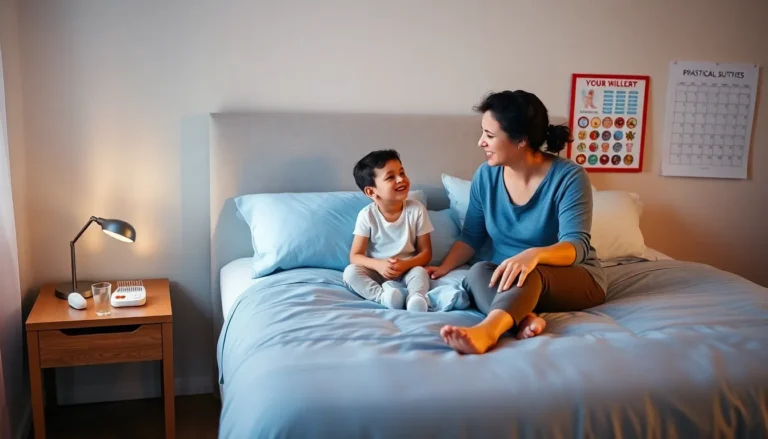
Helicopter parenting describes a style where parents hover over their children, often making decisions for them and shielding them from challenges. This approach comes from a place of love, but it can backfire. Kids need room to stumble, problem-solve, and build confidence on their own. Learning how to helicopter parenting affects child development, and what to do instead, helps families find a healthier path forward. This guide breaks down the signs of over-parenting, its effects, and practical ways to raise kids who can stand on their own two feet.
Table of Contents
ToggleKey Takeaways
- Helicopter parenting involves excessive control and intervention, which can prevent children from developing problem-solving skills and resilience.
- Research links over-parenting to lower self-esteem, higher anxiety, and poor decision-making abilities in children as they grow.
- Recognizing helicopter parenting signs—like fighting your child’s battles or doing tasks they can handle—is the first step toward change.
- Letting children struggle with age-appropriate challenges helps them build confidence and learn from natural consequences.
- Supportive parenting means offering guidance when asked while allowing kids to make decisions and experience imperfect outcomes.
- Start small by giving children simple responsibilities and trusting them to handle social conflicts on their own.
What Is Helicopter Parenting?
Helicopter parenting is a term coined in the 1960s by Dr. Haim Ginott after teens described their parents as hovering over them like helicopters. Today, it refers to parents who are overly involved in their children’s lives. They monitor assignments, friendships, and activities with intense focus. They step in at the first sign of struggle.
This parenting style often starts with good intentions. Parents want to protect their kids from failure, disappointment, and harm. But constant intervention prevents children from learning through experience. A child who never faces a challenge alone may struggle to handle setbacks as an adult.
Helicopter parenting can show up at any age. It might look like a parent who cuts a toddler’s food until they’re eight years old. Or it could be a parent who emails a college professor about their adult child’s grade. The common thread is control, parents make choices that children could make themselves.
Signs You Might Be a Helicopter Parent
Recognizing helicopter parenting in yourself can be tricky. Most parents don’t set out to over-parent. Here are common signs that suggest a tendency toward hovering:
- Fighting your child’s battles. Parents who call other parents, teachers, or coaches to resolve conflicts their child could handle are overstepping.
- Making all decisions. Picking clothes, friends, and activities without input from the child removes their sense of agency.
- Excessive monitoring. Checking assignments repeatedly, tracking every online move, or always knowing exactly where they are signals a lack of trust.
- Doing tasks they can do. Tying shoes, packing bags, or completing projects for them stalls development.
- Over-protecting from failure. Preventing any disappointment, like not letting them try out for a team they might not make, robs them of growth opportunities.
If several of these sound familiar, it’s worth reflecting on how to helicopter parenting patterns have crept into daily routines. Small shifts can make a big difference.
The Effects of Over-Parenting on Children
Research shows that helicopter parenting can have lasting effects on children. A 2018 study published in Developmental Psychology found that over-controlling parenting at age two predicted poorer emotional regulation at age five. By age ten, these children showed more emotional and behavioral problems.
Here’s what over-parenting can lead to:
Lower Self-Esteem
Children who never solve problems on their own may start to believe they can’t. They rely on parents for validation and struggle to trust their own judgment.
Higher Anxiety and Depression
Studies link helicopter parenting to increased anxiety in young adults. When kids don’t learn to cope with stress early, they’re less equipped to handle it later. A 2013 study in the Journal of Child and Family Studies found college students with helicopter parents reported higher levels of depression.
Poor Decision-Making Skills
Kids need practice making choices, even bad ones. Without that practice, they enter adulthood unsure of how to weigh options or handle consequences.
Reduced Resilience
Failure teaches persistence. Children shielded from setbacks often crumble at the first real obstacle because they’ve never built the mental muscles to push through.
Practical Steps to Step Back and Foster Independence
Changing helicopter parenting habits takes intention. Here are concrete ways to give children more space while still staying connected:
Let Them Struggle (a Little)
Resist the urge to jump in at the first sign of frustration. If a child is stuck on assignments, ask guiding questions instead of giving answers. Let them feel the discomfort of not knowing, and the satisfaction of figuring it out.
Assign Age-Appropriate Responsibilities
Chores build competence. A five-year-old can set the table. A ten-year-old can pack their own lunch. These small tasks teach accountability and show kids they’re capable.
Allow Natural Consequences
If a child forgets their lunch, they’ll be hungry. If they don’t study, they’ll get a bad grade. These experiences stick. Parents who swoop in to fix every mistake prevent these lessons from landing.
Practice Saying “I Trust You”
These three words are powerful. Saying them, and meaning them, gives children permission to try. Even if they fail, they’ll know their parent believes in them.
Step Back from Social Conflicts
Unless safety is at risk, let kids handle disagreements with friends. They’ll learn negotiation, empathy, and boundary-setting through real interactions.
Addressing how to helicopter parenting tendencies requires self-awareness. Parents may need to sit with their own anxiety about their child’s discomfort. That’s okay. Growth often feels uncomfortable, for everyone.
Finding the Balance Between Support and Autonomy
The goal isn’t to become a distant or uninvolved parent. Children still need guidance, warmth, and boundaries. The key is knowing when to step in and when to step back.
Supportive parenting looks different from helicopter parenting. Supportive parents offer advice when asked, check in regularly, and stay available without taking over. They set clear expectations but allow children to meet them in their own way.
Here’s a helpful framework:
| Helicopter Parenting | Supportive Parenting |
|---|---|
| Solves problems for the child | Helps the child brainstorm solutions |
| Controls outcomes | Accepts imperfect outcomes |
| Focuses on preventing failure | Focuses on learning from failure |
| Makes decisions unilaterally | Involves the child in decisions |
Parents can also ask themselves: “Is this something my child can handle alone?” If the answer is yes, step back. If they genuinely need help, offer it without taking over.
Building independence is a gradual process. A parent who has hovered for years won’t change overnight, and neither will the child. Start small. Let them walk to a friend’s house alone. Let them order their own food at a restaurant. Each small win builds confidence on both sides.