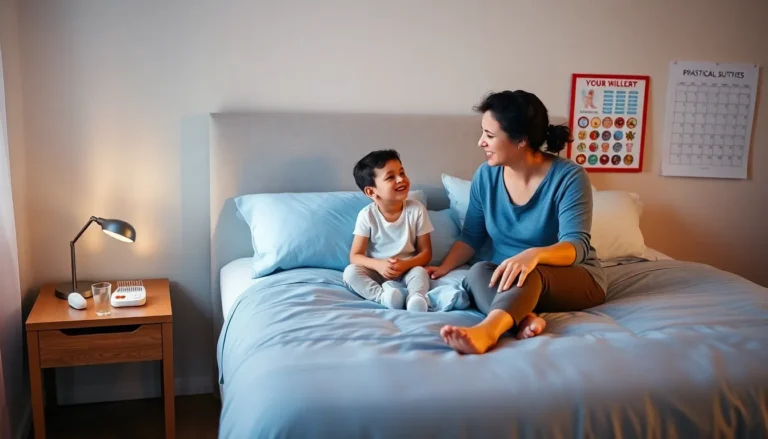
Bedwetting solutions range from simple lifestyle changes to medical interventions, and choosing the right one depends on your child’s age, frequency of accidents, and underlying causes. Nocturnal enuresis, the medical term for bedwetting, affects roughly 15% of five-year-olds and 5% of ten-year-olds. Most children outgrow it naturally, but that doesn’t make the wait any easier for families dealing with wet sheets and interrupted sleep.
This guide compares the most common bedwetting solutions available today. Parents will find practical information about behavioral approaches, alarms, medications, and protective products. The goal is simple: help families identify which methods work best for their specific situation.
Table of Contents
ToggleKey Takeaways
- Bedwetting solutions range from behavioral changes and alarms to medications and protective products—choosing the right one depends on your child’s age and needs.
- Bedwetting alarms offer 50–75% success rates and provide lasting results, while medications like desmopressin work faster but symptoms often return after stopping.
- Start with cost-free behavioral approaches like limiting fluids before bed, double voiding, and positive reinforcement before moving to alarms or medication.
- Children under six typically don’t need active treatment—their bladders are still developing, so protective products and patience are usually enough.
- Combining multiple bedwetting solutions, such as behavioral changes plus an alarm with protective products as backup, creates the most effective approach for many families.
- Always consult a pediatrician to rule out underlying medical causes and get personalized recommendations for your child’s situation.
Understanding Common Bedwetting Solutions
Bedwetting solutions fall into several categories. Some target the root cause, while others manage symptoms until children develop nighttime bladder control naturally.
The main types of bedwetting solutions include:
- Behavioral modifications – Changes to fluid intake, bathroom habits, and sleep routines
- Bedwetting alarms – Devices that wake children when moisture is detected
- Medications – Prescription drugs that reduce urine production or relax bladder muscles
- Protective products – Absorbent underwear, mattress covers, and waterproof sheets
No single approach works for every child. Pediatricians typically recommend starting with behavioral changes and bedwetting alarms before considering medication. The American Academy of Pediatrics suggests that most children under age seven don’t require active treatment, their bodies simply need more time to develop.
That said, bedwetting solutions become more important when accidents affect a child’s self-esteem, social life, or sleep quality. Sleepovers, summer camps, and overnight trips can cause significant anxiety for children who wet the bed.
Behavioral and Lifestyle Approaches
Behavioral bedwetting solutions cost nothing and carry no side effects. They represent the logical starting point for most families.
Fluid Management
Limiting drinks in the two hours before bedtime reduces the volume of urine produced overnight. Children should still drink plenty during the day, the goal is redistribution, not restriction. Water and milk are preferable to caffeinated drinks or sodas, which can irritate the bladder.
Double Voiding
This technique involves having children urinate twice before bed. They use the bathroom at the start of their bedtime routine and again right before lights out. Double voiding helps empty the bladder more completely.
Scheduled Waking
Some parents wake children to use the bathroom at a set time each night, often when parents go to bed themselves. This approach can prevent accidents but doesn’t teach children to wake on their own. It’s more of a management strategy than a long-term bedwetting solution.
Positive Reinforcement
Reward systems work for some children. Sticker charts and small incentives celebrate dry nights without punishing wet ones. Punishment is never appropriate, children don’t wet the bed on purpose, and shame only makes the problem worse.
These behavioral bedwetting solutions succeed for many families. They require consistency and patience, but they establish healthy habits that support bladder development.
Bedwetting Alarms vs. Medication
When behavioral approaches aren’t enough, families often compare bedwetting alarms vs. medication. Both can be effective, but they work very differently.
Bedwetting Alarms
Bedwetting alarms detect moisture and sound an alert to wake the child. Over time, usually 2 to 4 months, the brain learns to recognize the sensation of a full bladder and wake before an accident occurs.
Success rates for bedwetting alarms range from 50% to 75%. They require significant commitment from both children and parents. Someone needs to help the child wake fully, use the bathroom, and reset the alarm. The first few weeks can be exhausting.
But, bedwetting alarms offer lasting results. Once children learn to wake on their own, the skill typically stays with them. Relapse rates are lower compared to medication.
Medication Options
Desmopressin (DDAVP) is the most commonly prescribed medication for bedwetting. It reduces urine production overnight, giving children a better chance of staying dry. Desmopressin works quickly and is useful for sleepovers or short-term needs.
The downside? Bedwetting often returns when children stop taking the medication. It treats symptoms rather than teaching new skills.
Anticholinergic medications like oxybutynin help children with overactive bladders. These drugs relax bladder muscles and increase capacity. Side effects can include dry mouth, constipation, and facial flushing.
Which Is Better?
Bedwetting alarms require more effort upfront but deliver more permanent results. Medications provide faster relief and work well for special occasions. Many pediatricians recommend trying alarms first and using medication as a backup or supplement.
Protective Products and Practical Tools
While working toward dry nights, protective products make life easier for everyone. These bedwetting solutions don’t stop accidents, but they minimize the mess and stress.
Absorbent Underwear
Disposable pull-ups and overnight underwear hold significant amounts of liquid without leaking. Modern versions look and feel more like regular underwear than diapers, which matters to older children concerned about their self-image.
Reusable absorbent underwear offers an eco-friendly alternative. These washable garments cost more initially but save money over time. They’re also quieter than disposable options, no crinkling sounds.
Mattress Protection
Waterproof mattress protectors save mattresses from permanent damage. Fitted styles stay in place better than flat pads. Some families layer a waterproof pad over the fitted sheet for faster middle-of-the-night changes, just remove the top layer and the clean sheet underneath is ready to go.
Bedding Considerations
Keeping extra sheets and blankets accessible helps streamline overnight changes. Some parents keep a complete bedding set next to the child’s bed. Quick changes mean less disruption and faster return to sleep.
These practical bedwetting solutions reduce frustration for the whole family. They don’t solve the underlying issue, but they make the process more manageable while children develop nighttime bladder control.
How to Choose the Best Solution for Your Situation
Selecting from available bedwetting solutions depends on several factors unique to each family.
Consider the Child’s Age
Children under six rarely need active intervention. Their bladders and nervous systems are still developing. Protective products and patience are usually sufficient.
For children seven and older, bedwetting solutions like alarms become more appropriate. This age group can participate actively in their treatment and understand the purpose of interventions.
Evaluate Frequency and Severity
Children who wet the bed every night may benefit from different bedwetting solutions than those with occasional accidents. Frequent bedwetting suggests deeper bladder development issues that respond well to alarms. Occasional accidents might resolve with simple behavioral changes.
Factor in Family Lifestyle
Bedwetting alarms require significant parent involvement, especially in the beginning. Families with demanding schedules might find medications more practical for special occasions while implementing behavioral approaches for daily management.
Talk to a Pediatrician
A doctor can rule out medical causes like urinary tract infections, diabetes, or sleep apnea. They can also recommend specific bedwetting solutions based on the child’s medical history and symptoms.
Combine Approaches
Many families use multiple bedwetting solutions simultaneously. Behavioral changes paired with an alarm, plus protective products for backup, creates a comprehensive approach. Medication might enter the picture for events like camp or sleepovers.