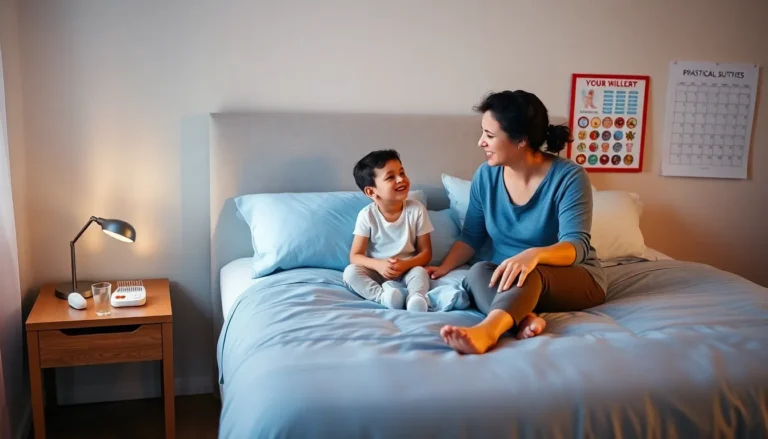
Bedwetting solutions and techniques can transform stressful nights into restful sleep for children and their families. Nocturnal enuresis, the medical term for bedwetting, affects about 15% of five-year-olds and 5% of ten-year-olds. Most children outgrow it, but waiting can feel exhausting for everyone involved.
The good news? Effective bedwetting solutions exist, and they don’t require extreme measures. This guide covers proven techniques, from simple lifestyle changes to medical interventions. Parents will learn what causes bedwetting, which methods work best, and when professional help makes sense.
Table of Contents
ToggleKey Takeaways
- Bedwetting solutions range from simple lifestyle changes like fluid management and bathroom habits to medical interventions when needed.
- Bedwetting alarms are among the most effective long-term techniques, with success rates of 65-75% when used consistently for 8-12 weeks.
- Limiting fluids two hours before bed and using a “double void” technique can significantly reduce nighttime accidents.
- Addressing constipation is an often-overlooked bedwetting solution that can improve symptoms by relieving pressure on the bladder.
- Consult a doctor if your child is seven or older without improvement, experiences daytime wetting, or shows signs of underlying conditions like painful urination.
- Positive reinforcement through reward systems helps build motivation without adding stress that could worsen bedwetting.
Understanding Why Bedwetting Happens
Before jumping into bedwetting solutions, it helps to understand the underlying causes. Bedwetting rarely signals a serious problem. Instead, several factors typically contribute to the issue.
Developmental Factors
Many children simply have bladders that haven’t matured enough to hold urine through the night. Their brains haven’t yet learned to recognize the “full bladder” signal during sleep. This developmental delay is completely normal and often runs in families. If one parent wet the bed as a child, there’s a 40% chance their child will too. If both parents did, that number jumps to 70%.
Hormonal Considerations
The body produces antidiuretic hormone (ADH) to slow urine production at night. Some children don’t produce enough ADH during sleep, which leads to a full bladder by the early morning hours. This hormonal pattern often corrects itself with age.
Sleep Patterns
Deep sleepers face higher bedwetting rates. These children simply don’t wake up when their bladder sends signals. Their sleep cycles make it harder for the brain to respond to physical cues.
Secondary Causes
Sometimes bedwetting develops after a child has been dry for six months or more. This “secondary enuresis” may indicate stress, urinary tract infections, diabetes, or constipation. Children experiencing new-onset bedwetting should see a doctor to rule out medical causes.
Understanding these factors helps parents choose the right bedwetting solutions for their specific situation.
Lifestyle and Behavioral Techniques
Simple lifestyle changes form the foundation of most bedwetting solutions. These techniques cost nothing and often produce noticeable improvements within weeks.
Fluid Management
Timing matters more than total intake. Children should drink plenty of fluids during the day, especially in the morning and early afternoon. But, limiting drinks two hours before bedtime reduces nighttime urine production. Avoiding caffeine entirely helps too, soda, chocolate, and some teas can irritate the bladder and increase urgency.
Bathroom Habits
Encourage children to use the bathroom right before bed. A “double void” technique works well: the child uses the toilet, then tries again 10-15 minutes later before lights out. This ensures the bladder starts the night as empty as possible.
Regular daytime bathroom breaks also help. Some children hold their urine too long during school hours, which can affect nighttime control.
Constipation Control
A full bowel presses against the bladder and reduces its capacity. High-fiber foods, plenty of water, and regular bowel movements can improve bedwetting in constipated children. Parents often overlook this connection, but addressing constipation is one of the easiest bedwetting solutions available.
Positive Reinforcement
Reward systems work for many children. A simple sticker chart celebrating dry nights (without punishing wet ones) builds motivation. The key is celebrating effort and progress, not just results. Children who feel ashamed often experience more bedwetting due to stress.
Lifting
Some parents wake their child to use the bathroom before they go to bed themselves. This “lifting” technique can prevent wet sheets but doesn’t teach the child’s brain to wake on its own. It works as a short-term bedwetting solution while other methods take effect.
Bedwetting Alarms and Training Methods
Bedwetting alarms represent one of the most effective long-term bedwetting solutions available. Research shows success rates of 65-75% for children who use them consistently.
How Bedwetting Alarms Work
These devices consist of a moisture sensor placed in the child’s underwear or on a bed pad. When the sensor detects wetness, an alarm sounds immediately. The goal isn’t just to wake the child mid-stream, though it does that. Over time, the brain learns to recognize bladder fullness signals before urination starts.
Most children need 8-12 weeks of consistent alarm use to see results. The process requires patience and parental involvement, especially in the first few weeks when children may sleep through the alarm.
Types of Alarms
Wearable alarms clip to pajamas with a sensor wire running to the underwear. They respond quickly because the sensor sits close to the source. Bed pad alarms place the sensor under the child, which means a slight delay in detection but no wires to manage.
Some newer bedwetting solutions include wireless alarms that alert parents’ phones. These help when children sleep too deeply to hear the alarm themselves.
Maximizing Alarm Success
Parents should commit to helping their child wake fully when the alarm sounds. The child needs to get up, turn off the alarm, use the bathroom, and help change sheets if needed. This active participation reinforces the brain-bladder connection.
Avoiding frustration is critical. Some nights will be wet. Progress often looks like waking up earlier in the urination process, then eventually waking before it happens.
Bladder Training Exercises
Daytime bladder training can complement alarm therapy. Children practice holding urine for slightly longer periods during the day, gradually increasing bladder capacity. This technique works best under medical guidance.
Medical Treatments and When to Seek Help
When behavioral bedwetting solutions don’t produce results, medical options exist. A pediatrician or pediatric urologist can help determine the best approach.
Desmopressin (DDAVP)
This synthetic hormone mimics the body’s natural ADH, reducing urine production during sleep. Desmopressin comes in tablet or melt form and works quickly, often the first night. But, it treats symptoms rather than causes. Most children resume bedwetting when they stop taking it.
Desmopressin works best for special situations like sleepovers or camp. Some doctors prescribe it alongside alarm therapy, using the medication to boost confidence while the alarm creates lasting change.
Anticholinergic Medications
Children with overactive bladders may benefit from medications like oxybutynin. These drugs relax bladder muscles, increasing capacity. Side effects include dry mouth and constipation, so they’re typically reserved for cases where other bedwetting solutions have failed.
When to See a Doctor
Parents should consult a healthcare provider if:
- The child is seven or older and lifestyle changes haven’t helped
- Bedwetting starts after six months of dry nights
- The child experiences daytime wetting too
- Painful urination or unusual thirst occurs
- Snoring or sleep apnea symptoms are present
These signs may indicate underlying conditions that require specific treatment.
What Doctors Check
A medical evaluation typically includes a physical exam, urine analysis, and detailed history. Some children need bladder ultrasounds or other tests. Most evaluations reveal no underlying disease, which reassures families that the bedwetting will resolve with time and proper bedwetting solutions.