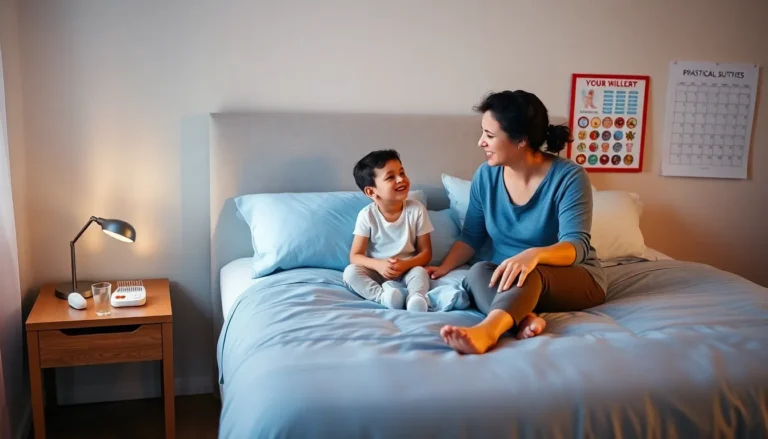
Best helicopter parenting isn’t about hovering over every moment of a child’s life. It’s about knowing when to step in and when to step back. Parents often struggle with this balance. They want to protect their children while also helping them grow into independent adults.
The term “helicopter parenting” gets a bad reputation. But the truth is more complicated. Some involvement helps children thrive. Too much can hold them back. This article explores what helicopter parenting really means, when it works, where it fails, and how families can find a healthy middle ground.
Table of Contents
ToggleKey Takeaways
- Best helicopter parenting means knowing when to step in and when to step back, rather than constantly hovering over every moment.
- Adjust your involvement based on your child’s age, individual needs, and specific circumstances—flexibility is essential.
- Excessive parental control can lead to anxiety, poor decision-making skills, and lower self-confidence in children.
- Let children experience small, safe failures to build resilience and responsibility through natural consequences.
- Ask children how they want to handle problems first, offering guidance instead of immediately solving issues for them.
- Examine your own anxiety—sometimes over-involvement stems from parental fears rather than your child’s actual needs.
What Is Helicopter Parenting?
Helicopter parenting describes a style where parents closely monitor and control their children’s activities. The term comes from the image of a helicopter hovering overhead. These parents stay deeply involved in their child’s daily decisions, schoolwork, friendships, and experiences.
This parenting style typically includes:
- Making decisions for children instead of letting them choose
- Solving problems before children can try themselves
- Constant supervision during play and social activities
- Frequent communication with teachers and coaches
- Strong involvement in assignments and school projects
Helicopter parenting often comes from a place of love and concern. Parents want the best outcomes for their kids. They fear failure, rejection, or harm might damage their child’s future. This anxiety drives them to stay close and intervene quickly.
Research shows helicopter parenting has increased over the past few decades. Several factors contribute to this rise. Smaller family sizes mean parents invest more attention in each child. Social media creates pressure to raise “perfect” kids. News coverage of rare dangers makes the world seem more threatening than it actually is.
Understanding helicopter parenting helps families evaluate their own habits. Some parents don’t realize they’ve crossed from supportive to overbearing. Others worry they’re not involved enough. The key is recognizing where on the spectrum a family falls.
When Helicopter Parenting Can Be Beneficial
Best helicopter parenting practices do have legitimate uses. Context matters. Age matters. Individual children have different needs.
Young children require close supervision. A three-year-old cannot assess danger the way a teenager can. Helicopter parenting behaviors that seem excessive for a twelve-year-old may be entirely appropriate for a toddler. Parents should adjust their involvement as children develop new skills.
Some situations call for extra attention:
- Children with special needs often benefit from parents who advocate strongly and monitor closely
- Academic struggles may require more assignments supervision until skills improve
- New environments like starting a new school warrant temporary increased involvement
- Safety concerns in certain neighborhoods or situations justify closer watching
Helicopter parenting can also protect children during vulnerable moments. A child being bullied needs parental intervention. A teen showing signs of depression requires active monitoring. These situations demand parents step in rather than stand back.
The best helicopter parenting approach recognizes that involvement should match the circumstance. A parent might hover during a health crisis but give more freedom during stable times. Flexibility is essential. Rigid application of any parenting style, whether hands-off or highly involved, ignores the reality that children’s needs change.
Potential Drawbacks to Watch For
Too much helicopter parenting creates real problems. Studies link excessive parental control to negative outcomes in children and young adults.
Anxiety and depression rates appear higher in children of helicopter parents. When parents solve every problem, children don’t learn coping skills. They grow up believing they can’t handle challenges alone. This creates dependence and fear.
Other documented drawbacks include:
- Poor decision-making skills because children never practice choosing
- Lower self-confidence since children receive the message they can’t succeed alone
- Reduced resilience when facing setbacks or failures
- Difficulty in relationships due to underdeveloped social problem-solving
- Academic struggles in college where parents can no longer intervene
Helicopter parenting can also damage the parent-child relationship. Teenagers naturally seek autonomy. When parents refuse to grant appropriate independence, conflicts increase. Trust erodes. Communication breaks down.
Parents themselves suffer from constant hovering. The mental load of monitoring everything exhausts them. Anxiety about their child’s future grows rather than shrinks. They sacrifice their own well-being and interests.
Recognizing these risks helps parents catch themselves before going too far. The goal of the best helicopter parenting is protection, not control. When involvement starts hurting more than helping, it’s time to reassess.
Healthy Strategies for Involved Parenting
Finding balance requires intentional effort. Parents can stay involved without becoming overbearing. Here are practical strategies that work:
Let children fail safely. Small failures teach valuable lessons. A forgotten assignments assignment results in a low grade, not the end of the world. Children learn responsibility through consequences, not rescues.
Ask before acting. When problems arise, ask children how they want to handle the situation first. Offer guidance rather than solutions. This builds problem-solving skills while keeping parents in the loop.
Adjust by age. A good rule: give more freedom as children demonstrate readiness. Gradually extend curfews, reduce assignments checks, and allow more independent decision-making through the years.
Focus on effort, not outcomes. Helicopter parenting often fixates on results, grades, wins, achievements. Shifting attention to effort reduces pressure on both parent and child.
Build open communication. Children who feel heard share more freely. Parents who listen without immediately solving learn what their children actually need. Sometimes kids just want someone to understand, not fix.
Trust your child. Best helicopter parenting eventually means believing children can grow. They will make mistakes. They will recover. This trust communicates confidence in their abilities.
Parents should also examine their own anxiety. Sometimes hovering comes from parental fears rather than actual child needs. Addressing that anxiety directly, through therapy, support groups, or self-reflection, helps the whole family.