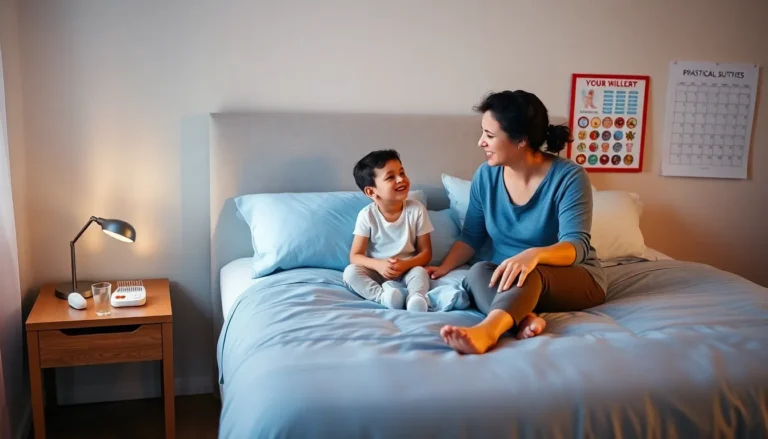
Bedwetting solutions trends 2026 are shifting fast, and parents have more options than ever before. Nocturnal enuresis affects roughly 15% of children aged five and older, according to pediatric health data. The good news? New treatments, smarter devices, and proven behavioral methods are changing how families handle nighttime accidents. This guide breaks down the current approaches, emerging technologies, and expert predictions that will shape bedwetting care in the coming year.
Table of Contents
ToggleKey Takeaways
- Bedwetting solutions trends 2026 include wearable sensors, AI-powered apps, and smart bedding that predict and prevent nighttime accidents more effectively.
- Traditional bedwetting alarms still achieve 65%–75% success rates but require 8–12 weeks of consistent use for lasting results.
- Emerging ultrasound-based wearables can monitor bladder fullness and alert children before an accident occurs.
- Natural approaches like positive reinforcement, bladder training exercises, and dietary adjustments are gaining popularity among parents seeking gentler options.
- Experts predict personalized treatment plans using genetic testing and sleep science integration will reduce trial-and-error frustration for families.
- Telehealth expansion and improved insurance coverage are expected to make bedwetting solutions more accessible by 2026.
Understanding Current Bedwetting Treatment Approaches
Today’s bedwetting solutions fall into three main categories: medical interventions, alarm systems, and lifestyle changes. Each approach works differently, and what helps one child may not help another.
Medical Treatments
Doctors commonly prescribe desmopressin (DDAVP) to reduce urine production at night. This synthetic hormone mimics the body’s natural antidiuretic hormone. Studies show it works for about 70% of children during treatment, though many experience a return of symptoms after stopping the medication.
Imipramine, a tricyclic antidepressant, is another option. It affects bladder muscle control and sleep patterns. But, doctors prescribe it less often due to potential side effects.
Bedwetting Alarms
Moisture-sensing alarms remain a first-line treatment. These devices detect wetness and wake the child with a sound or vibration. Success rates range from 65% to 75% after several months of consistent use. The key is patience, most families need 8 to 12 weeks before seeing lasting results.
Current alarm models attach to underwear or a bed pad. Some connect to smartphone apps that track patterns and progress.
Lifestyle Adjustments
Many parents start with simple changes:
- Limiting fluids two hours before bed
- Scheduling bathroom visits before sleep
- Avoiding caffeine and sugary drinks in the evening
- Using waterproof mattress protectors
These strategies don’t cure bedwetting, but they reduce accidents and protect furniture.
Emerging Technologies and Smart Devices
The bedwetting solutions market is seeing real innovation. Smart technology is making treatment more effective and less stressful for families.
Wearable Sensors
New wearable devices go beyond basic moisture detection. Some products now monitor bladder fullness using ultrasound technology. These sensors can predict when a child needs to urinate and alert them before an accident happens. Early intervention devices like these are expected to hit mainstream markets by 2026.
AI-Powered Apps
Artificial intelligence is entering bedwetting care. Apps now analyze data from alarms, fluid intake logs, and bathroom schedules. They identify patterns and suggest personalized adjustments. Some platforms even connect parents with pediatric specialists for virtual consultations.
Smart Bedding
Companies are developing mattress pads with integrated sensors that track moisture, movement, and sleep cycles. These products aim to wake children at optimal moments, before deep sleep makes arousal difficult. Early adopters report fewer disruptions and faster progress.
Biofeedback Tools
Biofeedback devices teach children to recognize bladder signals. These gadgets use games and visual cues to help kids understand their body’s cues during the day. The goal is to build awareness that transfers to nighttime control.
Natural and Behavioral Methods Gaining Popularity
Not every family wants to rely on medication or gadgets. Natural bedwetting solutions are gaining traction as parents seek gentler approaches.
Positive Reinforcement Systems
Reward charts and praise-based programs remain effective. Research supports the idea that celebrating dry nights, rather than punishing wet ones, builds motivation. Children respond well to stickers, small rewards, and verbal encouragement.
Bladder Training Exercises
Daytime bladder training helps some children. The technique involves holding urine for gradually longer periods to increase bladder capacity. Parents can also practice “stop and start” exercises during urination to strengthen pelvic floor muscles.
Diet and Nutrition Adjustments
Some practitioners link bedwetting to food sensitivities. Dairy, citrus, and artificial additives are common suspects. Elimination diets, under medical supervision, help identify triggers for certain children.
Proper hydration timing also matters. Drinking most fluids earlier in the day, then tapering off by evening, reduces nighttime urine production without causing dehydration.
Mind-Body Techniques
Hypnotherapy and guided visualization are showing promise. Small studies suggest these methods help children relax and develop subconscious awareness of bladder signals. While evidence is still growing, families report positive experiences with trained practitioners.
Chiropractic and Acupuncture
Alternative therapies attract some parents. Chiropractors claim spinal adjustments can affect nerve function related to bladder control. Acupuncture practitioners target specific points associated with urinary health. Scientific support is limited, but anecdotal reports keep these options in circulation.
What Experts Predict for 2026
Pediatric urologists and sleep specialists see several bedwetting solutions trends 2026 will bring to the forefront.
Personalized Treatment Plans
Genetic testing may soon guide treatment choices. Researchers are identifying markers that predict which children will respond to specific interventions. This means less trial and error for frustrated families.
Integration of Sleep Science
Bedwetting connects closely to sleep architecture. Future treatments will likely combine bladder training with sleep optimization. Experts predict wearables that monitor sleep stages and time interventions accordingly.
Telehealth Expansion
Virtual pediatric urology visits became common during the pandemic. This trend will continue. Remote monitoring tools will let doctors track a child’s progress without frequent office visits.
Reduced Stigma
More public awareness campaigns are addressing the shame around bedwetting. Experts believe open conversations will encourage families to seek help sooner. Early intervention typically leads to faster resolution.
Insurance Coverage Improvements
Some bedwetting devices and treatments remain out-of-pocket expenses. Industry watchers expect more insurance plans to cover smart alarms and behavioral therapy programs by 2026.