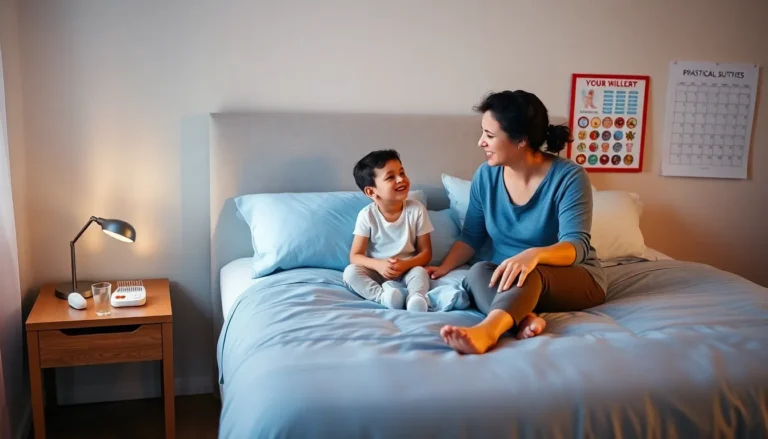
Bedwetting solutions tools offer real help for families dealing with nighttime accidents. Around 15% of children aged five still wet the bed, and many continue into their teen years. The good news? Most children outgrow bedwetting naturally, and the right tools can make the process easier for everyone involved.
Parents often feel frustrated or worried when their child wets the bed repeatedly. Children may feel embarrassed or anxious about sleepovers and overnight trips. These feelings are normal, but they don’t have to define the experience. With practical bedwetting solutions tools, families can manage nighttime wetting while supporting their child’s confidence and comfort.
This guide covers the most effective options available today, from alarms and protective bedding to absorbent products and behavioral strategies. Each tool serves a specific purpose, and many families find success by combining several approaches.
Table of Contents
ToggleKey Takeaways
- Bedwetting solutions tools like alarms, protective bedding, and absorbent products help families manage nighttime accidents while supporting a child’s confidence.
- Bedwetting alarms are among the most effective tools, with success rates of 50–75% when used consistently for two to three months.
- Waterproof mattress protectors and layered bedding setups make cleanup easier and protect mattresses from long-term damage.
- Simple lifestyle changes—like limiting fluids before bed, double-voiding, and avoiding bladder irritants—can reduce accident frequency without any cost.
- Absorbent nighttime underwear provides confidence for children and keeps beds dry while other bedwetting solutions tools address the underlying cause.
- Always use positive reinforcement and avoid punishment, as children don’t wet the bed on purpose and negative reactions can increase anxiety.
Understanding Why Bedwetting Happens
Bedwetting, or nocturnal enuresis, occurs when a child urinates during sleep without waking up. Several factors contribute to this condition, and understanding them helps parents choose the right bedwetting solutions tools.
Deep sleep patterns play a significant role. Some children sleep so deeply that their brain doesn’t register the signal from a full bladder. Their body simply doesn’t wake them up in time to use the bathroom.
Delayed bladder development is another common factor. A child’s bladder may not have matured enough to hold urine through the night. This is a physical issue, not a behavioral one.
Genetics matter too. If one parent wet the bed as a child, there’s about a 40% chance their child will too. If both parents experienced bedwetting, that number jumps to roughly 70%.
Other contributing factors include:
- Lower nighttime production of antidiuretic hormone (ADH)
- Constipation, which can press on the bladder
- Urinary tract infections
- Stress or major life changes
Most bedwetting cases resolve on their own by age seven or eight. But, waiting without any intervention can be difficult for families. That’s where bedwetting solutions tools come in, they provide support during this developmental phase without placing blame on the child.
Bedwetting Alarms and How They Work
Bedwetting alarms rank among the most effective bedwetting solutions tools available. Research shows success rates between 50% and 75% when used consistently over two to three months.
These devices detect moisture and trigger an alarm, either a sound, vibration, or both. The goal is to wake the child at the first sign of urination so they can stop, get up, and finish in the bathroom. Over time, the brain learns to recognize bladder fullness and wake up before wetting occurs.
Types of Bedwetting Alarms
Wearable alarms clip to pajamas or underwear. A small sensor attaches near the child’s underwear and connects to an alarm unit worn on the shoulder or collar. When moisture touches the sensor, the alarm activates immediately.
Pad-style alarms sit under the child on the bed. These larger sensors detect wetness when the child lies on them. They work well for children who move around less during sleep.
Wireless alarms send signals to a separate receiver. Parents can place the receiver in their room if the child needs help waking up.
Tips for Success
- Commit to at least 12 weeks of consistent use
- Have the child help reset the alarm after each activation
- Keep a log to track progress
- Celebrate dry nights without punishing wet ones
Bedwetting alarms require patience and parental involvement, especially in the early weeks. Many children sleep through the alarm at first, so parents may need to wake them. The conditioning process takes time, but results tend to be lasting once achieved.
Protective Bedding and Waterproof Mattress Covers
Protective bedding serves as a practical line of defense among bedwetting solutions tools. These products don’t stop bedwetting, but they protect mattresses and make cleanup faster.
Waterproof mattress protectors fit over the mattress like a fitted sheet. Quality protectors use a breathable waterproof layer that blocks moisture while allowing air to circulate. This prevents that hot, sweaty feeling some plastic covers cause.
Look for these features when shopping:
- Quiet fabric that doesn’t crinkle
- Machine-washable and dryer-safe materials
- Secure elastic edges that stay in place
- Hypoallergenic options for sensitive skin
Waterproof mattress pads offer another option. These sit on top of the fitted sheet and protect a smaller area. Some families layer a pad over a full protector for extra security.
Disposable bed pads provide a quick-change solution. Parents place them under the child, and when an accident happens, they simply remove the pad and replace it with a fresh one. This approach minimizes middle-of-the-night disruption.
For easier nighttime changes, some parents prepare the bed in layers: mattress protector, sheet, waterproof pad, another sheet. If an accident occurs, they strip the top layer and the bed is already made underneath.
Investing in quality protective bedding saves money long-term by extending mattress life and reducing laundry loads.
Absorbent Products and Nighttime Underwear
Absorbent products give children confidence and keep beds dry while other bedwetting solutions tools work on the underlying issue. These products have improved significantly in recent years, with designs that look and feel more like regular underwear.
Disposable Nighttime Underwear
Disposable pull-ups designed for nighttime use absorb more liquid than daytime training pants. Major brands offer versions specifically for overnight protection, often labeled “nighttime” or “overnight.” These products feature:
- Higher absorbency cores
- Leak guards around the legs
- Designs that resemble regular underwear
- Sizes for older children and teens
Many children prefer these over traditional diapers because they can pull them on and off independently.
Reusable Absorbent Underwear
Reusable options appeal to families concerned about cost or environmental impact. These cloth-based products feature built-in absorbent layers and waterproof backing. They require more laundry but create less waste over time.
Some children find reusable underwear more comfortable than disposables. Others prefer the convenience of throw-away products. Let the child’s preference guide the choice when possible.
Important Considerations
Absorbent products should support the child’s self-esteem, not undermine it. Frame them as a practical tool, similar to how adults might use protective products after surgery or during illness. Avoid using terms that might embarrass older children.
These products work best as part of a broader approach. They manage symptoms while alarms, lifestyle changes, or time address the root cause.
Lifestyle Changes and Behavioral Strategies
Lifestyle adjustments complement other bedwetting solutions tools and may reduce accident frequency on their own. These strategies cost nothing and carry no side effects.
Fluid Management
Limit drinks in the two hours before bedtime. Children should stay hydrated during the day, but tapering fluid intake toward evening reduces nighttime urine production. Avoid caffeine entirely, it acts as a diuretic and bladder irritant.
Encourage drinking more water earlier in the day. This ensures adequate hydration without loading up the bladder at night.
Bathroom Habits
Establish a double-voiding routine before bed. Have the child use the bathroom at the start of their bedtime routine and again right before getting into bed. This empties the bladder more completely.
Some parents wake their child to use the bathroom before they go to sleep themselves. This “lifting” technique can reduce accidents but doesn’t teach the child to wake independently.
Diet Considerations
Certain foods and drinks may irritate the bladder:
- Citrus fruits and juices
- Chocolate
- Carbonated beverages
- Artificial sweeteners
Constipation also contributes to bedwetting. A full bowel presses against the bladder and reduces its capacity. Ensure adequate fiber intake and regular bowel movements.
Positive Reinforcement
Reward charts and praise for dry nights can motivate children, but punishment for wet nights backfires. Children don’t wet the bed on purpose. Negative reactions increase anxiety, which often makes bedwetting worse.
Celebrate effort and progress, not just results. Acknowledge when a child wakes up on their own to use the bathroom, even if they didn’t make it in time.