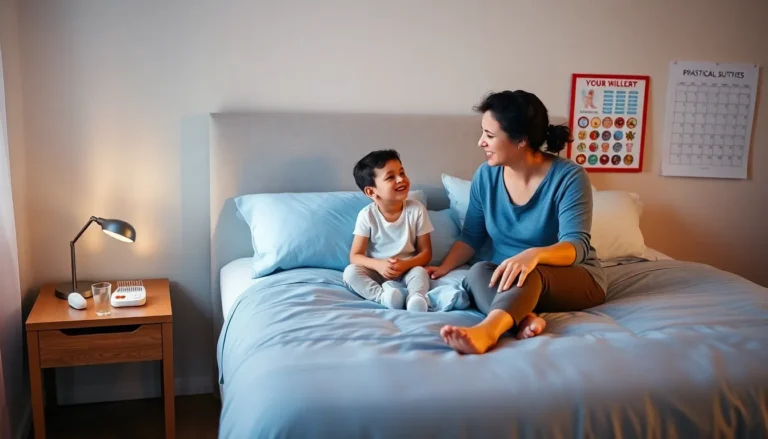
Bedwetting solutions can transform stressful nights into restful ones for both children and parents. Nocturnal enuresis, the medical term for bedwetting, affects roughly 15% of five-year-olds and 5% of ten-year-olds. It’s common, it’s frustrating, and most importantly, it’s treatable.
Many parents feel alone in this struggle, but they shouldn’t. Bedwetting happens for predictable reasons, and practical bedwetting solutions exist for nearly every situation. This guide covers the causes, lifestyle adjustments, alarm systems, medical options, and emotional support strategies that actually work. The goal is simple: help children wake up dry and confident.
Table of Contents
ToggleKey Takeaways
- Bedwetting is a developmental condition with biological causes—not a behavioral problem—and most children eventually outgrow it.
- Effective bedwetting solutions include adjusting fluid intake timing, establishing a double-void bathroom routine, and maintaining a consistent sleep schedule.
- Bedwetting alarms have a 65–75% success rate and teach the brain to wake when the bladder is full over 12–16 weeks of consistent use.
- Medical options like desmopressin (DDAVP) provide quick relief for events like sleepovers, but bedwetting often returns when medication stops.
- Emotional support is essential: avoid punishment, normalize the experience, and celebrate small victories to build your child’s confidence.
- Consult a pediatrician if your child hasn’t achieved nighttime dryness by age seven or suddenly starts wetting after months of dry nights.
Understanding Why Bedwetting Happens
Before exploring bedwetting solutions, parents should understand what causes the problem. Bedwetting isn’t a behavioral issue or a sign of laziness. It’s a developmental condition with biological roots.
Delayed Bladder Maturation
Some children’s bladders mature slower than others. Their brains haven’t yet learned to wake them when the bladder is full. This connection typically develops with age, which explains why most children eventually outgrow bedwetting without any intervention.
Genetics Play a Role
Research shows that if one parent wet the bed as a child, their child has a 40% chance of doing the same. If both parents did, that number jumps to 70%. Genetics strongly influence bladder development and sleep patterns.
Hormonal Factors
The body produces antidiuretic hormone (ADH) to reduce urine production at night. Some children don’t produce enough ADH during sleep, leading to a full bladder that can’t wait until morning. This hormonal pattern often corrects itself over time.
Deep Sleep Patterns
Certain children sleep so deeply that bladder signals don’t wake them. Their bodies send the message, but their brains don’t receive it. These deep sleepers need bedwetting solutions that work around their sleep patterns rather than against them.
Lifestyle Changes That Make a Difference
Simple lifestyle adjustments form the foundation of effective bedwetting solutions. These changes cost nothing and often produce noticeable results within weeks.
Adjust Fluid Intake Timing
Children should drink most of their fluids during the morning and early afternoon. Parents can reduce liquid intake two hours before bedtime. This doesn’t mean restricting hydration, it means shifting when hydration happens.
Bathroom Routine Before Bed
A double-void strategy works well. Children use the bathroom once when they start their bedtime routine and again right before they fall asleep. This extra trip can empty the bladder more completely.
Limit Bladder Irritants
Caffeine and carbonated drinks irritate the bladder and increase urine production. Chocolate, citrus fruits, and artificial sweeteners can also cause problems for some children. Parents might experiment with removing these items from evening snacks.
Consistent Sleep Schedule
Irregular sleep schedules can disrupt the body’s natural rhythms, including hormone production. A consistent bedtime helps the body regulate ADH production and establish predictable patterns. These bedwetting solutions require patience but deliver lasting results.
Bedwetting Alarms and How They Work
Bedwetting alarms rank among the most effective bedwetting solutions available. Studies show success rates between 65% and 75%, with lower relapse rates than medication.
How Alarms Function
These devices have a moisture sensor that attaches to the child’s underwear or a bed pad. When wetness is detected, an alarm sounds. The alarm wakes the child, who then finishes urinating in the bathroom.
The Training Process
Success doesn’t happen overnight. Most children need 12 to 16 weeks of consistent alarm use before they achieve dry nights. During this period, the brain learns to associate bladder fullness with waking. Parents should expect some interrupted sleep during the training phase.
Types of Alarms
Wearable alarms clip to pajamas and detect wetness immediately. Bed pad alarms sit beneath the sheets and may take slightly longer to trigger. Some alarms vibrate instead of beeping, which works better for deep sleepers or children sharing rooms.
Tips for Alarm Success
Parents should help wake their child initially, many children sleep through the alarm at first. Keeping the alarm active for two to three weeks after dry nights begin prevents relapse. Consistency matters more than anything else with this bedwetting solution.
When to Consider Medical Options
Most children respond to lifestyle changes and alarms. But, some situations call for medical bedwetting solutions.
Signs That Warrant a Doctor Visit
Parents should consult a pediatrician if their child has never achieved nighttime dryness by age seven, suddenly starts wetting after six months of dry nights, experiences daytime accidents, or shows signs of urinary tract infections.
Medication Options
Desmopressin (DDAVP) mimics ADH and reduces nighttime urine production. It works quickly and suits situations like sleepovers or camp. But, bedwetting often returns when medication stops.
Anticholinergic medications relax the bladder muscle and increase capacity. Doctors typically prescribe these when desmopressin alone doesn’t work.
Combination Approaches
Some children benefit from using medication alongside alarm training. The medication provides immediate relief while the alarm builds long-term bladder control. This combined approach represents one of the more effective bedwetting solutions for persistent cases.
Underlying Conditions
Rarely, bedwetting signals an underlying issue like diabetes, sleep apnea, or anatomical problems. A thorough medical evaluation rules out these possibilities and ensures children receive appropriate treatment.
Supporting Your Child Emotionally
Emotional support deserves equal attention alongside physical bedwetting solutions. How parents respond shapes their child’s self-esteem and willingness to participate in treatment.
Avoid Blame and Punishment
Children don’t wet the bed intentionally. Punishment creates shame without changing outcomes. Studies link punishment to longer-lasting bedwetting and increased anxiety. A supportive response produces better results.
Normalize the Experience
Sharing that many children, and even some teenagers, deal with bedwetting reduces isolation. If a parent experienced it, mentioning this can help tremendously. Children feel less “broken” when they know they’re not alone.
Involve the Child in Solutions
Older children can help track dry and wet nights on a calendar. They can take ownership of the alarm or set their own pre-bed bathroom reminders. This involvement builds agency and motivation.
Celebrate Progress
Small victories matter. Three dry nights in a row deserves recognition. A week without accidents calls for celebration. Positive reinforcement encourages continued effort with bedwetting solutions and builds confidence.
Protect Privacy
Siblings shouldn’t tease. Friends don’t need to know. Waterproof mattress covers prevent obvious evidence. Protecting a child’s privacy preserves their dignity during what can feel like an embarrassing time.