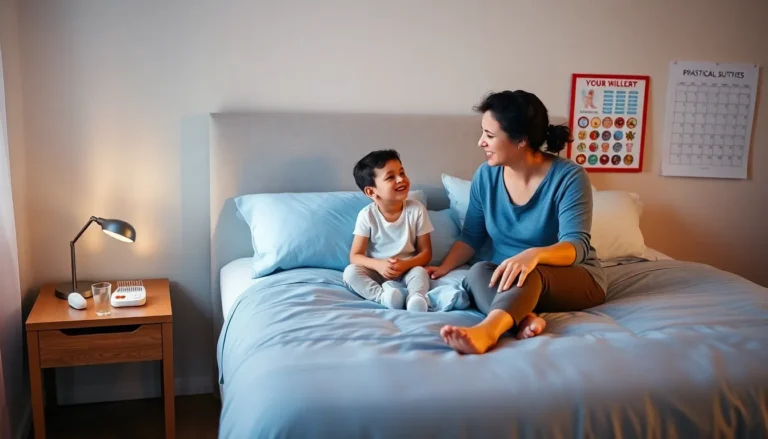
Bedwetting solutions examples range from simple lifestyle changes to medical treatments, and finding the right approach can transform nighttime stress into restful sleep. Nocturnal enuresis, the clinical term for bedwetting, affects millions of children and even some adults. Parents often feel frustrated, and kids can feel embarrassed. But here’s the good news: most cases resolve with time, and plenty of practical strategies exist to speed up that process. This guide breaks down proven bedwetting solutions examples across behavioral methods, technology, medical options, and supportive products. Whether the issue stems from deep sleep patterns, bladder development, or other factors, there’s likely a solution that fits.
Table of Contents
ToggleKey Takeaways
- Bedwetting solutions examples include behavioral changes, alarms, medical treatments, and supportive products—most children eventually outgrow the condition.
- Limiting fluids two hours before bed and practicing double voiding are simple, cost-free strategies that can reduce nighttime accidents.
- Bedwetting alarms have a 50–80% success rate when used consistently for 8 to 16 weeks, making them one of the most effective solutions available.
- Medications like desmopressin can quickly reduce bedwetting but are best suited for short-term use during events like camps or sleepovers.
- Consult a pediatrician if bedwetting persists past age seven, starts suddenly after months of dry nights, or includes symptoms like daytime wetting or pain.
- Waterproof mattress protectors and absorbent underwear help manage bedwetting with less stress while long-term solutions take effect.
Understanding Why Bedwetting Happens
Before exploring bedwetting solutions examples, it helps to understand the causes. Bedwetting typically occurs for a few key reasons.
Bladder Development
Some children have smaller bladder capacities or bladders that haven’t fully matured. Their bodies produce urine at night faster than the bladder can hold it.
Deep Sleep Patterns
Many children who wet the bed sleep so deeply that brain signals from the bladder don’t wake them. The connection between bladder and brain simply needs more time to develop.
Hormonal Factors
The body produces antidiuretic hormone (ADH) to slow urine production at night. Some children don’t produce enough ADH, leading to excess nighttime urine.
Genetics
Bedwetting runs in families. If one parent experienced bedwetting as a child, there’s about a 40% chance their child will too. If both parents had the issue, that number jumps to 70%.
Stress and Life Changes
New siblings, moving homes, or starting school can trigger bedwetting in children who previously stayed dry. Emotional factors play a real role.
Understanding these causes helps families choose bedwetting solutions examples that target the root issue rather than just managing symptoms.
Behavioral and Lifestyle Solutions
Many bedwetting solutions examples start with behavioral changes. These methods cost nothing and often produce real results.
Fluid Management
Limiting fluids two hours before bedtime reduces nighttime urine production. Children should drink plenty of water during the day but taper off in the evening. Avoid caffeine entirely, it’s a diuretic that increases urine output.
Scheduled Bathroom Trips
Having the child use the bathroom right before bed creates a routine. Some parents also wake their child for a bathroom trip before they go to sleep themselves. This “lifting” technique can prevent accidents during the first part of the night.
Double Voiding
This simple technique involves urinating twice before bed, once at the start of the bedtime routine and again right before getting under the covers. It helps empty the bladder more completely.
Positive Reinforcement
Reward systems work for many children. A sticker chart for dry nights (not punishments for wet ones) builds motivation. Celebrating progress keeps kids engaged in their own treatment.
Bladder Training During the Day
Encouraging children to hold their urine slightly longer during daytime hours can gradually increase bladder capacity. This daytime practice translates to better nighttime control over weeks or months.
These bedwetting solutions examples work best when applied consistently. Patience matters, results often take weeks to appear.
Bedwetting Alarms and Monitoring Devices
Bedwetting alarms rank among the most effective bedwetting solutions examples available. Research shows success rates between 50% and 80% when used correctly.
How Bedwetting Alarms Work
These devices detect moisture and trigger an alarm at the first sign of wetness. The sound or vibration wakes the child, who can then finish urinating in the bathroom. Over time, the brain learns to recognize bladder signals before wetting occurs.
Types of Alarms
Wearable Alarms: These clip to pajamas or underwear with a small sensor. They’re portable and work well for sleepovers.
Pad-Style Alarms: A moisture-sensing pad sits on the mattress under the child. Some parents find these easier to set up.
Wireless Alarms: Newer models send alerts to a parent’s receiver, which helps if the child sleeps through the initial alarm.
What to Expect
Bedwetting alarms typically require 8 to 16 weeks of consistent use. Early on, the alarm may wake everyone except the child. Parents often need to help wake the child initially. Progress usually shows as smaller wet spots, then fewer wet nights, then complete dryness.
Tips for Success
Have the child help set up the alarm each night. Keep a flashlight and clean pajamas ready. Track progress on a chart. Most importantly, commit to using the alarm every night for at least three months.
These devices represent one of the most proven bedwetting solutions examples, especially for children over age six.
Medical and Professional Interventions
When behavioral methods and alarms don’t produce results, medical bedwetting solutions examples become worth considering.
Desmopressin (DDAVP)
This synthetic hormone mimics ADH, reducing nighttime urine production. It comes as a tablet taken before bed. Desmopressin works quickly, often within the first few nights, but bedwetting typically returns when treatment stops. Doctors often prescribe it for short-term use during camps or sleepovers.
Anticholinergic Medications
Drugs like oxybutynin relax the bladder muscle, allowing it to hold more urine. These work best for children with small bladder capacity or overactive bladders. Side effects can include dry mouth and constipation.
Combination Therapy
Some healthcare providers recommend using medication alongside bedwetting alarms. This combined approach can accelerate results while building long-term conditioning.
When to See a Doctor
Consult a pediatrician if:
- A child over age seven still wets the bed regularly
- Bedwetting starts suddenly after six months of dry nights
- Daytime wetting also occurs
- The child experiences pain or unusual thirst
- Snoring or sleep apnea symptoms appear
These signs may indicate underlying conditions that require specific treatment. A healthcare provider can rule out urinary tract infections, diabetes, or structural issues.
Medical bedwetting solutions examples offer real help, but they work best when combined with behavioral approaches.
Supportive Products for Managing Bedwetting
While working toward dry nights, practical products make life easier. These bedwetting solutions examples focus on protection and comfort.
Absorbent Underwear
Modern disposable or washable underwear looks and feels like regular underwear. Products designed for older children avoid the “baby diaper” stigma that can hurt self-esteem. Many kids can put them on and take them off independently.
Mattress Protection
Waterproof mattress protectors prevent damage to mattresses. Options include:
- Full encasement covers that zip around the entire mattress
- Fitted sheet-style protectors
- Layered pad systems that allow quick middle-of-night changes
Bed Pads
Disposable or washable bed pads add an extra layer of protection. Placing one on top of the fitted sheet makes cleanup faster. Some families layer two sets of sheets with pads between them for quick changes.
Skin Care Products
Prolonged moisture exposure can irritate skin. Barrier creams protect against rashes. Gentle, fragrance-free wipes allow for quick cleanup without full baths.
Nightlights and Easy-Access Bathrooms
Simple changes help too. A clear, lit path to the bathroom removes obstacles. Keeping a small potty in the bedroom works for younger children.
These supportive bedwetting solutions examples reduce stress and shame while other treatments take effect.