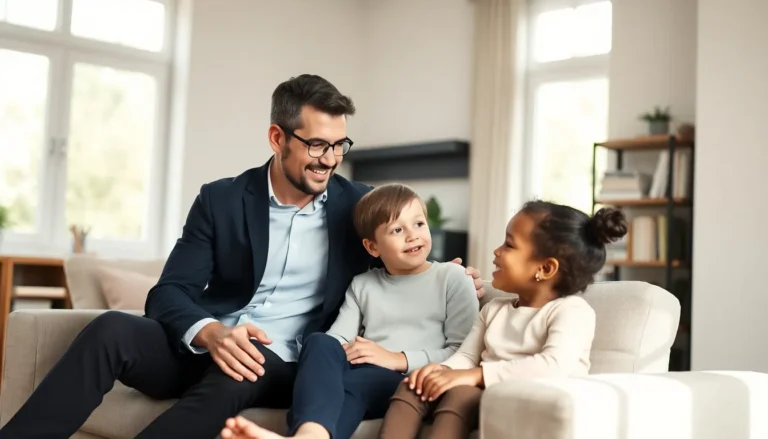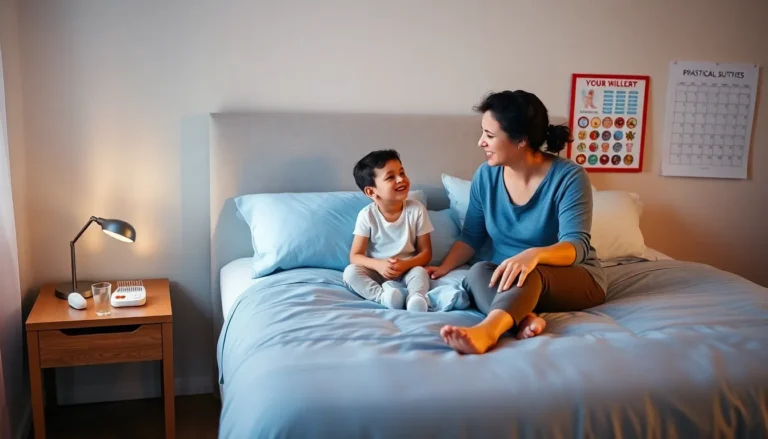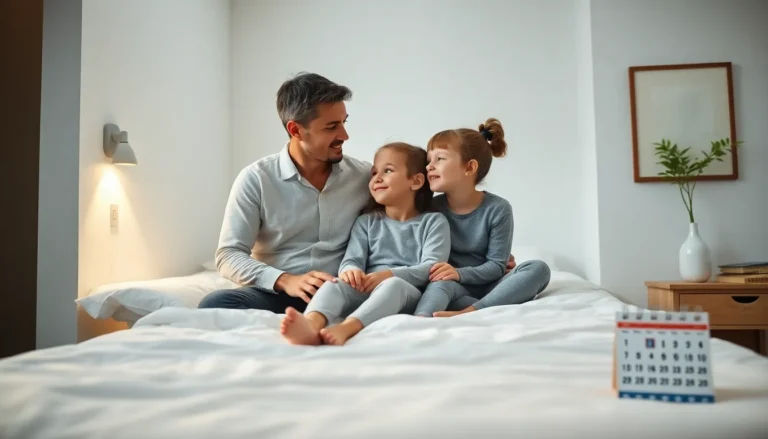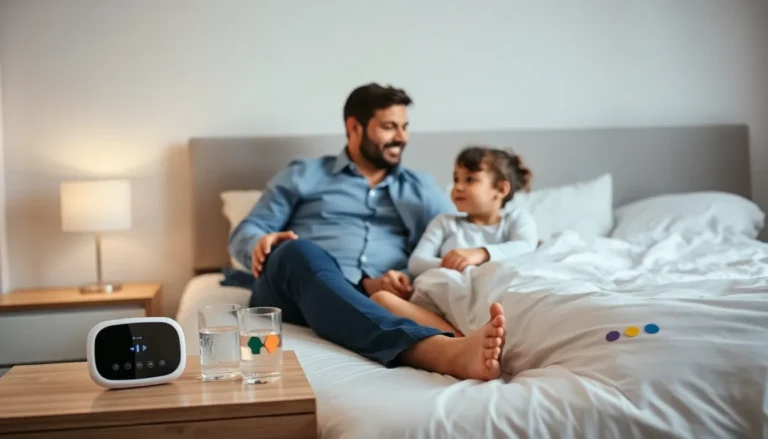
Authoritative parenting trends 2026 reflect a shift toward balance, connection, and adaptability. Parents today want clear boundaries without rigidity. They want warmth without permissiveness. And they want their children prepared for a world that looks nothing like the one they grew up in.
This style of parenting, firm yet responsive, has long been considered the gold standard by child development researchers. But the specifics are changing. Screen time, mental health awareness, cultural diversity, and evolving family structures all shape how authoritative parenting looks now. In 2026, parents are blending proven principles with fresh approaches that fit modern life.
This article breaks down the key authoritative parenting trends 2026 is bringing to the forefront. From digital balance to emotional intelligence, these shifts offer a roadmap for raising confident, well-adjusted kids.
Table of Contents
ToggleKey Takeaways
- Authoritative parenting trends 2026 prioritize digital balance over strict screen bans, teaching kids responsible technology use through co-viewing and tech-free zones.
- Emotional intelligence is now considered a core skill, with parents actively coaching children to identify, express, and manage their emotions from an early age.
- Collaborative decision-making strengthens parent-child relationships by involving kids in age-appropriate choices while maintaining clear boundaries around safety and values.
- Cultural awareness is woven into daily parenting, helping children understand diverse backgrounds and feel proud of their own identities.
- Flexible structure allows authoritative parents to adapt routines and rules to each child’s unique temperament and changing life circumstances without sacrificing consistency.
- Mental health support is viewed as proactive care in 2026, with families openly discussing anxiety and stress while seeking professional help when needed.
The Rise of Digital Balance Strategies
Screens are everywhere. Kids use tablets for school, phones to connect with friends, and streaming services for entertainment. The question for parents isn’t whether to allow technology, it’s how to manage it.
Authoritative parenting trends 2026 emphasize digital balance rather than strict bans. Parents set clear screen time limits, but they also discuss the reasons behind those limits with their children. This approach respects kids’ growing autonomy while maintaining parental guidance.
Some strategies gaining traction include:
- Tech-free zones: Dining rooms and bedrooms stay screen-free to encourage face-to-face interaction and better sleep.
- Co-viewing: Parents watch shows or play games with their kids, turning passive consumption into shared experiences.
- Digital wellness check-ins: Weekly conversations about online experiences help parents stay informed without being intrusive.
The goal isn’t to demonize technology. It’s to teach kids how to use it responsibly. Authoritative parents in 2026 model healthy digital habits themselves. They put their phones down during meals. They limit mindless scrolling. Kids notice these behaviors and often mirror them.
Research continues to support this balanced approach. Studies show that moderate, purposeful screen use doesn’t harm development. The problems arise with excessive, unsupervised use. Authoritative parenting trends 2026 acknowledge this nuance.
Emphasis on Emotional Intelligence and Mental Health
Mental health conversations have moved from taboo to table talk. Authoritative parenting trends 2026 prioritize emotional intelligence as a core skill, right alongside reading and math.
Parents are teaching children to identify, express, and manage their emotions. This starts early. A toddler might learn words like “frustrated” or “disappointed.” A teenager might practice conflict resolution techniques.
Why does this matter? Children with higher emotional intelligence tend to have better relationships, perform better academically, and show greater resilience. Authoritative parents understand that emotional skills don’t develop automatically. They require modeling and practice.
Key practices include:
- Emotion coaching: When a child feels upset, parents help them name the feeling and explore solutions rather than dismissing or punishing the emotion.
- Open discussions about mental health: Families talk about anxiety, stress, and sadness as normal parts of life, reducing stigma.
- Access to professional support: Parents in 2026 are quicker to seek therapy or counseling for their kids when needed, viewing it as proactive care rather than a last resort.
Authoritative parenting trends 2026 also reflect parents’ own mental health awareness. Adults who manage their stress effectively model those skills for their children. Self-care isn’t selfish, it’s instructive.
Collaborative Decision-Making With Children
Gone are the “because I said so” days. Authoritative parenting trends 2026 lean heavily into collaboration. Parents still set boundaries, but they invite children into age-appropriate decision-making.
This looks different at every stage. A five-year-old might choose between two breakfast options. A twelve-year-old might help plan the family vacation. A teenager might negotiate their own curfew within set parameters.
The benefits are significant. Children who participate in decisions develop critical thinking skills. They learn to weigh options and consider consequences. They also feel respected, which strengthens the parent-child relationship.
Collaborative decision-making doesn’t mean permissive parenting. Authoritative parents maintain clear expectations and non-negotiable rules around safety and core values. But they explain the reasoning behind those rules. They listen to their children’s perspectives. And they adjust when appropriate.
Family meetings have become a popular tool. Many households schedule weekly or monthly gatherings where everyone, parents and kids alike, can raise concerns, propose ideas, and solve problems together. This practice builds communication skills and teaches democratic values.
Authoritative parenting trends 2026 recognize that children raised with a voice become adults who can advocate for themselves.
Integrating Cultural Awareness Into Parenting
Families in 2026 are more diverse than ever. Mixed-heritage households, immigrant families, and multicultural communities shape how children understand identity. Authoritative parenting trends 2026 embrace this diversity.
Parents actively teach cultural awareness at home. They expose children to different traditions, languages, foods, and histories. This education extends beyond their own heritage to include understanding of others.
Practical approaches include:
- Diverse media: Parents choose books, movies, and shows featuring characters from various backgrounds.
- Community engagement: Families attend cultural festivals, religious services, or neighborhood events outside their own traditions.
- Honest conversations: Parents discuss race, ethnicity, and social issues in age-appropriate ways, answering questions directly.
Authoritative parenting trends 2026 also address bias and discrimination. Parents teach children to recognize unfairness and to stand up for others. These lessons happen through both discussion and action.
For multiracial or multicultural families, authoritative parenting means helping children feel proud of all parts of their identity. This requires intentional effort, especially when one culture might dominate in their environment.
Cultural awareness isn’t an add-on. It’s woven into daily life. And it prepares children for a connected, diverse world.
Flexible Structure in a Changing World
Authoritative parenting has always balanced warmth with structure. But authoritative parenting trends 2026 add a new emphasis: flexibility.
Rigid routines don’t fit every family. Work schedules vary. Kids have different needs. Life throws curveballs. Parents in 2026 build structure that can bend without breaking.
This might look like:
- Adaptive routines: Bedtimes shift slightly on weekends. Assignments happens when kids are most focused, not at an arbitrary hour.
- Responsive rules: A rule that made sense at age eight gets revisited at age ten. Parents adjust expectations as children grow.
- Grace during transitions: Moves, new schools, family changes, authoritative parents provide extra support during tough times while maintaining core expectations.
Flexibility also applies to parenting styles themselves. Authoritative parenting trends 2026 acknowledge that what works for one child might not work for another, even within the same family. Parents adapt their approach to each child’s temperament, learning style, and needs.
This doesn’t mean chaos. Structure remains important. Consistent expectations give children security. But those expectations exist within a framework that responds to real life.
Parents who embrace flexible structure report less stress and more connection with their kids. They spend less time fighting about minor issues and more time on what matters.