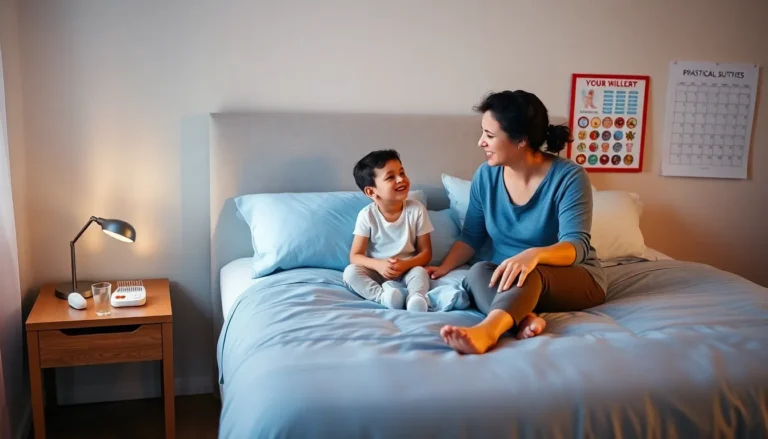
Authoritative parenting strikes a balance between warmth and discipline. This parenting style sets clear expectations while maintaining open communication with children. Research consistently shows that authoritative parenting produces positive outcomes for kids across academic, social, and emotional domains.
Parents who adopt this approach provide structure without being rigid. They listen to their children’s perspectives and explain the reasoning behind rules. The result? Kids who feel secure, respected, and capable of making good decisions.
This article explains what authoritative parenting looks like in practice. It covers the core characteristics, the benefits for child development, and practical strategies parents can use starting today.
Table of Contents
ToggleKey Takeaways
- Authoritative parenting balances high expectations with warmth, open communication, and emotional support.
- Children raised with authoritative parenting show better academic performance, emotional well-being, and social skills.
- Unlike authoritarian parents who demand obedience, authoritative parents explain reasoning behind rules and consider their child’s input.
- Key practices include setting clear boundaries, following through on consequences, and praising effort over results.
- Giving children age-appropriate choices builds decision-making skills while maintaining parental guidance.
- The benefits of authoritative parenting extend into adulthood, contributing to higher life satisfaction and stronger relationships.
Defining Authoritative Parenting
Authoritative parenting is one of four main parenting styles identified by developmental psychologist Diana Baumrind in the 1960s. The other three styles are authoritarian, permissive, and uninvolved. Each style differs in how parents balance demands and responsiveness toward their children.
Authoritative parenting combines high expectations with high responsiveness. Parents set clear standards for behavior and enforce consistent consequences. At the same time, they remain warm, supportive, and emotionally available. They treat children as individuals with valid thoughts and feelings.
This style differs sharply from authoritarian parenting, which emphasizes obedience over communication. Authoritarian parents say “because I said so.” Authoritative parents explain why rules exist and consider their child’s input.
Permissive parents, by contrast, offer warmth but little structure. They avoid confrontation and rarely enforce boundaries. Uninvolved parents provide neither warmth nor structure.
Authoritative parenting occupies the middle ground. It respects children’s autonomy while guiding them toward responsible behavior. Parents act as supportive coaches rather than strict drill sergeants or hands-off observers.
Key Characteristics of Authoritative Parents
Authoritative parents share several distinctive traits that set them apart from other parenting styles.
Clear Rules and Consistent Boundaries
Authoritative parents establish clear expectations for behavior. They communicate rules explicitly and enforce them consistently. When a child breaks a rule, consequences follow, but they’re fair and proportionate. The child understands what happened and why.
Open Communication
These parents encourage two-way dialogue. They listen when children express concerns or disagree with decisions. A child might not get their way, but they feel heard. This open communication builds trust and teaches children to articulate their needs.
Warmth and Emotional Support
Authoritative parenting includes plenty of affection. Parents express love verbally and physically. They celebrate achievements and offer comfort during setbacks. Children know their parents care about them as people, not just their behavior.
Reasoning and Explanation
Rather than demanding blind obedience, authoritative parents explain their reasoning. “We don’t hit because it hurts people” teaches empathy. “Assignments comes before video games because education matters” connects actions to values. Children learn the logic behind rules.
Encouraging Independence
Authoritative parents give children age-appropriate autonomy. They let kids make choices, experience natural consequences, and learn from mistakes. This gradual release of control prepares children for adult decision-making.
High but Realistic Expectations
These parents set ambitious standards without demanding perfection. They push children to try their best while accepting that failure is part of learning. The message is: “I believe you can do this, and I’ll support you along the way.”
Benefits for Child Development
Decades of research link authoritative parenting to positive outcomes across multiple areas of child development.
Academic Success
Children raised by authoritative parents tend to perform better in school. They show higher grades, better test scores, and greater engagement with learning. Why? These kids develop internal motivation. They value achievement because their parents helped them understand why education matters, not because they fear punishment.
Emotional Well-Being
Authoritative parenting supports strong mental health. Studies show these children experience lower rates of anxiety and depression. They develop healthy self-esteem because their parents validate their feelings while teaching emotional regulation. They learn to cope with setbacks constructively.
Social Competence
Kids from authoritative households develop strong social skills. They form positive peer relationships, resolve conflicts effectively, and show empathy toward others. The respectful communication they experience at home becomes their template for interactions outside it.
Better Behavior
Authoritative parenting produces fewer behavioral problems. Children internalize values rather than simply avoiding punishment. They make good choices even when no one is watching because they understand right from wrong at a deeper level.
Long-Term Outcomes
The benefits extend into adulthood. Adults who grew up with authoritative parents report higher life satisfaction, better relationships, and stronger career outcomes. The skills they learned, self-discipline, communication, emotional intelligence, serve them throughout life.
Authoritative parenting doesn’t guarantee perfect children. But it gives kids the best foundation for becoming capable, confident adults.
How to Practice Authoritative Parenting
Adopting authoritative parenting requires intentional effort. Here are practical strategies parents can carry out.
Set Clear Expectations Early
Define household rules and explain them to children. Keep rules simple enough for kids to remember. Post them visibly if that helps. Consistency matters more than strictness, stick to the rules you set.
Follow Through on Consequences
When rules are broken, enforce consequences calmly and consistently. Avoid empty threats. If you say screen time ends after misbehavior, follow through. Children learn that rules have meaning.
Listen Before Responding
When children express frustration or disagree with a decision, hear them out. Ask questions. Acknowledge their feelings even if the answer remains no. “I understand you’re disappointed, but we’re still not getting ice cream before dinner.”
Explain Your Reasoning
Take time to explain why rules exist. “We wear seatbelts because they keep us safe if there’s an accident.” This approach takes longer than “because I said so,” but it builds understanding.
Praise Effort, Not Just Results
Recognize hard work and improvement, not only achievements. “You really practiced hard for that test” matters more than “Great job getting an A.” This builds intrinsic motivation and resilience.
Give Age-Appropriate Choices
Offer children choices within boundaries. A toddler might choose between two outfits. A teenager might choose their own curfew within a range. Choice teaches decision-making while maintaining parental guidance.
Model the Behavior You Want
Children learn by watching. If parents want respectful kids, they must treat children respectfully. If they want emotionally regulated kids, they must manage their own emotions well.
Authoritative parenting takes practice. Parents won’t get it right every time. But consistent effort creates a home environment where children thrive.