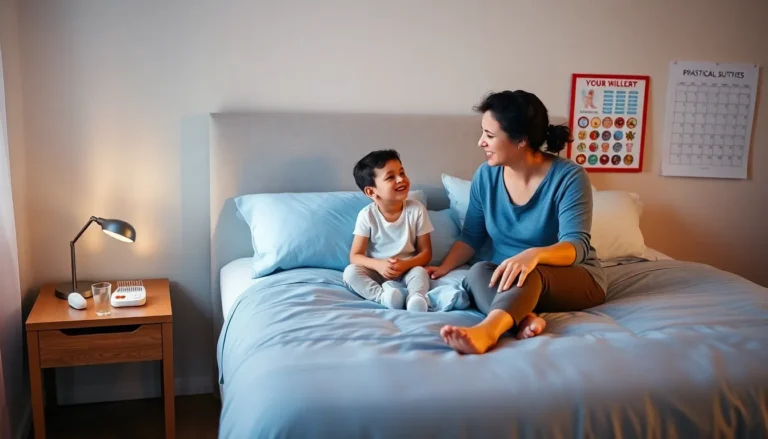
Top bedwetting solutions can transform stressful nights into restful ones for children and their families. Bedwetting, also called nocturnal enuresis, affects roughly 15% of five-year-olds and 5% of ten-year-olds. The condition often resolves on its own, but parents don’t have to wait passively. Practical strategies exist to speed up the process and reduce frustration along the way.
This article covers the main causes behind bedwetting and outlines proven methods to address it. From simple lifestyle changes to specialized alarms and medical options, families have more choices than ever. Understanding which top bedwetting solutions fit a child’s specific situation makes all the difference.
Table of Contents
ToggleKey Takeaways
- Top bedwetting solutions include lifestyle changes, bedwetting alarms, and medical treatments—choosing the right approach depends on your child’s specific situation.
- Bedwetting alarms have a 60–80% success rate and address the root cause by training the brain-bladder connection over 8–12 weeks.
- Managing fluid intake by reducing drinks 1–2 hours before bed and avoiding caffeine helps prevent nighttime accidents.
- Positive reinforcement and patience work far better than punishment—children can’t consciously control what happens while they sleep.
- Consult a doctor if your child still wets the bed after age seven, experiences pain during urination, or starts wetting again after being dry for six months.
- Combining multiple top bedwetting solutions, such as alarms with short-term medication, often produces the best results.
Understanding the Causes of Bedwetting
Bedwetting happens for several reasons, and identifying the cause helps families choose the right solution. Most children wet the bed because their bodies haven’t fully developed nighttime bladder control. This is normal and usually genetic, if one parent wet the bed as a child, there’s a 40% chance their child will too.
Developmental Factors
The brain-bladder connection takes time to mature. During sleep, the bladder sends signals to the brain when it’s full. In younger children, this communication system isn’t always reliable. Some kids simply sleep too deeply to wake up when their bladder needs emptying.
Antidiuretic hormone (ADH) also plays a role. This hormone tells the kidneys to produce less urine at night. Children who don’t produce enough ADH make more urine while sleeping, which overwhelms the bladder’s capacity.
Secondary Causes
Sometimes bedwetting starts after a child has been dry for six months or longer. This “secondary” bedwetting often signals stress, a urinary tract infection, constipation, or other medical issues. A sudden change, like a new sibling, moving homes, or starting school, can trigger episodes in previously dry children.
Constipation deserves special mention here. A full bowel presses against the bladder, reducing its capacity and triggering accidents. Many parents overlook this connection, but treating constipation often improves bedwetting significantly.
Understanding these causes removes blame from the equation. Children don’t wet the bed on purpose, and shame only makes the problem worse. The best top bedwetting solutions start with compassion and move toward practical action.
Lifestyle and Behavioral Approaches
Simple changes at home often produce meaningful results. These top bedwetting solutions cost nothing and create healthy habits that support dry nights.
Fluid Management
Timing matters more than total fluid intake. Children should drink most of their fluids during the morning and afternoon. Reducing drinks one to two hours before bed gives the bladder time to empty. But, restricting fluids too severely can backfire, dehydration actually concentrates urine and irritates the bladder.
Certain drinks make bedwetting worse. Caffeine acts as a diuretic, increasing urine production. Sodas, chocolate milk, and even some teas contain enough caffeine to affect sensitive bladders. Citrus juices and carbonated beverages can also irritate the bladder lining.
Bathroom Routines
Establishing a consistent bathroom schedule trains the bladder. Children should use the toilet right before bed, and then again about 30 minutes later, just before falling asleep. This “double voiding” technique ensures the bladder starts the night as empty as possible.
Some parents wake their child to use the bathroom before they go to bed themselves. This practice, called “lifting,” can reduce wet nights but doesn’t teach the child to wake independently. It works best as a short-term measure while other top bedwetting solutions take effect.
Positive Reinforcement
Reward systems motivate children without adding pressure. A sticker chart for dry nights celebrates progress and gives kids a sense of control. The key is rewarding effort and participation, like following the bedtime routine, rather than only rewarding dry nights. Children can’t consciously control what happens while they sleep.
Punishment never works. Scolding, shaming, or making a child clean their sheets as a consequence increases anxiety and often worsens the problem. Patience and encouragement produce far better outcomes.
Bedwetting Alarms and Training Devices
Bedwetting alarms rank among the most effective top bedwetting solutions available. Research shows success rates between 60% and 80%, with lower relapse rates compared to medication alone.
How Alarms Work
These devices use a moisture sensor placed in the child’s underwear or on a pad beneath the sheets. When wetness is detected, the alarm sounds immediately. The goal is conditioning, over time, the child’s brain learns to recognize bladder fullness and wake up before wetting occurs.
Results don’t happen overnight. Most children need 8 to 12 weeks of consistent use before seeing significant improvement. Some show progress within weeks: others take longer. Commitment from both child and parents determines success.
Types of Alarms
Wearable alarms clip to pajamas and connect to a sensor in the underwear. These respond fastest since the sensor sits closest to the source. Pad-style alarms place the sensor beneath the child, which some families prefer for comfort.
Sound alarms work for most children, but heavy sleepers might need vibration or a combination. Some modern devices include apps that track progress and send data to parents’ phones.
Tips for Success
The child must get out of bed and walk to the bathroom when the alarm sounds, even if they’ve already wet. This physical action reinforces the brain-bladder connection. Parents often need to help younger children wake fully and complete this routine.
Placing the alarm base across the room forces the child to get up to turn it off. This reduces the chance of sleeping through subsequent alarms. Keeping spare sheets and pajamas nearby makes middle-of-the-night changes faster and less disruptive.
Bedwetting alarms require patience, but they address the root cause rather than just managing symptoms. For families committed to the process, they represent one of the most reliable top bedwetting solutions.
Medical Treatments and When to Seek Help
When lifestyle changes and alarms don’t produce results, medical options can help. A healthcare provider can also rule out underlying conditions that might be causing bedwetting.
Medication Options
Desmopressin (DDAVP) mimics the natural hormone that reduces nighttime urine production. Available as a tablet or nasal spray, it works quickly and helps many children stay dry. But, bedwetting often returns when the medication stops. Desmopressin works best for sleepovers, camps, or special occasions when a child needs reliable protection.
Anticholinergic medications relax the bladder muscle, increasing its capacity. Doctors typically prescribe these when a child has a small bladder or overactive bladder symptoms during the day. Side effects like dry mouth and constipation occur in some children.
Imipramine, an older antidepressant, has been used for bedwetting for decades. It affects both bladder function and sleep patterns. Due to potential side effects, doctors usually reserve it for cases where other top bedwetting solutions have failed.
When to See a Doctor
Most bedwetting doesn’t require medical intervention, but certain signs warrant a visit. Consult a healthcare provider if a child:
- Still wets the bed after age seven and it causes distress
- Starts wetting again after being dry for six months or more
- Experiences pain during urination or unusual thirst
- Snores heavily or shows signs of sleep apnea
- Has daytime wetting accidents as well
A doctor might order tests to check for urinary tract infections, diabetes, or structural issues. In rare cases, bedwetting signals a more serious condition that needs treatment.
Combining Approaches
The most effective treatment plans often combine multiple strategies. A child might use an alarm while also taking desmopressin for the first few weeks. As the alarm training takes hold, medication can be gradually reduced. Working with a pediatrician ensures the approach fits the child’s specific needs.