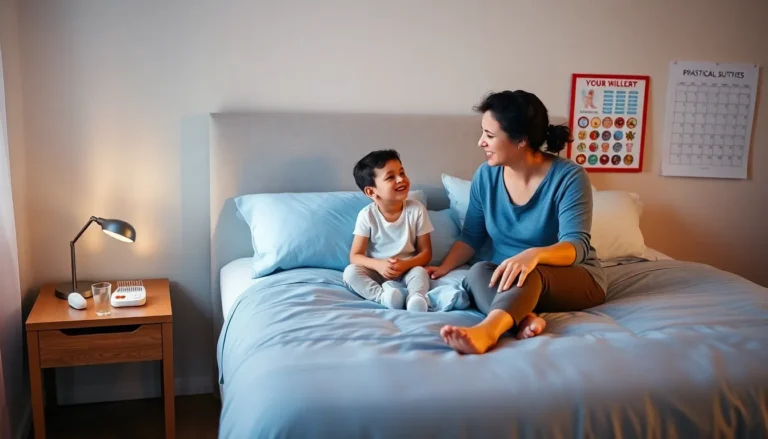
This helicopter parenting guide breaks down what it means to hover too closely over children and why it matters. Parents naturally want to protect their kids from failure, disappointment, and harm. But sometimes that protective instinct goes too far. Helicopter parenting describes an over-involved approach where parents control too many aspects of their child’s life. The term first appeared in 1969 when Dr. Haim Ginott’s book mentioned teens feeling like their parents hovered over them like helicopters. Today, this parenting style has become more common, and more studied. Understanding helicopter parenting helps parents recognize their own behaviors and make informed choices about how they raise their children.
Table of Contents
ToggleKey Takeaways
- Helicopter parenting involves excessive control and intervention in a child’s life, often preventing them from learning essential problem-solving skills.
- Children raised by helicopter parents frequently experience higher rates of anxiety, depression, and lower self-esteem due to underdeveloped coping mechanisms.
- This helicopter parenting guide emphasizes that social pressures and technology have made over-involvement easier and more common than ever.
- Allowing natural consequences for low-stakes decisions teaches children valuable lessons that lectures cannot.
- Parents can shift toward healthier involvement by coaching children through problems rather than solving issues for them.
- Managing personal anxiety and building a supportive parent network helps break helicopter parenting patterns over time.
What Is Helicopter Parenting?
Helicopter parenting refers to a style where parents stay extremely close to their children’s experiences and problems. They monitor, intervene, and make decisions that children could handle themselves. This over-involvement typically comes from a place of love and concern. Parents want their kids to succeed and stay safe.
The helicopter parenting style often starts in early childhood and continues through adolescence and even into college years. Some researchers call it “overparenting” or “intensive parenting.” Whatever the label, the core behavior stays the same: parents take too much control.
This approach differs from healthy involvement. Good parents stay engaged with their children’s lives, know their friends, and help with challenges. Helicopter parenting crosses a line. It removes the child’s ability to learn from mistakes, solve problems, and build confidence.
Social pressures play a role in helicopter parenting’s rise. Parents today face competition around academic success, extracurricular activities, and college admissions. Fear of judgment from other parents adds pressure too. Technology makes constant monitoring easier than ever before. GPS tracking, grade portals, and social media give parents access to every detail of their child’s day.
Common Signs and Behaviors
Recognizing helicopter parenting starts with honest self-reflection. Parents engaged in this behavior often don’t realize how much they intervene. Here are common signs that appear across different age groups.
In Young Children
Helicopter parents of young kids often refuse to let children play independently. They hover at the playground, ready to catch every fall. They complete puzzles, art projects, and tasks for their child instead of letting the child struggle and learn. They choose all friends, activities, and even play themes.
In School-Age Children
As kids grow, helicopter parenting takes new forms. Parents do assignments for their children or heavily edit every assignment. They contact teachers frequently to argue about grades or request special treatment. They resolve every conflict with peers instead of coaching their child through solutions. They pack bags, organize schedules, and prevent any natural consequences from occurring.
In Teenagers and Young Adults
Helicopter parenting doesn’t always stop at age 18. Parents of teens and young adults might fill out college applications themselves. They call professors about grades. Some even contact their adult child’s employer about workplace issues. They make major life decisions, what to study, where to live, whom to date, without letting their child lead.
Other Warning Signs
Helicopter parents often feel extreme anxiety when they can’t monitor their child. They struggle to let children experience failure. They speak for their children in social situations. They rescue children from every uncomfortable situation before the child asks for help.
Effects on Child Development
Research shows helicopter parenting creates real problems for children’s development. Understanding these effects helps parents see why stepping back matters.
Emotional and Mental Health Impact
Children of helicopter parents often struggle with anxiety and depression. A 2013 study in the Journal of Child and Family Studies found that college students with overcontrolling parents reported higher levels of depression. These children don’t develop coping skills because parents handle all stress for them. When they finally face challenges alone, they feel overwhelmed.
Self-esteem suffers too. When parents constantly intervene, children receive an unspoken message: “You can’t do this yourself.” Over time, kids internalize this belief. They doubt their abilities and fear taking risks.
Social Development Issues
Helicopter parenting limits social skill development. Children need to experience conflict with peers and work through it. They need to advocate for themselves with teachers and coaches. When parents handle these interactions, children miss crucial learning opportunities.
Research shows over-parented children struggle more with peer relationships in college and workplace settings. They have difficulty reading social cues and resolving disagreements independently.
Academic and Professional Consequences
Surprisingly, helicopter parenting doesn’t guarantee academic success. Children who never face failure don’t learn persistence. They may avoid challenging courses or give up quickly when material gets hard.
In the workplace, these effects continue. Young adults raised by helicopter parents often struggle with criticism, independent decision-making, and self-motivation. Employers report that some entry-level workers expect constant guidance and praise, habits formed by years of over-involvement at home.
How to Find a Healthier Parenting Balance
Parents who recognize helicopter parenting tendencies can make changes. The goal isn’t neglect or detachment. It’s finding a middle ground where children feel supported but also develop independence.
Start Small
Pick one area where the child can take more responsibility. Maybe a young child starts packing their own lunch. A teenager manages their own assignments schedule without reminders. Small steps build confidence for both parent and child.
Let Natural Consequences Happen
When stakes are low, let children experience results of their choices. A child who forgets their lunch goes hungry at school. A teen who doesn’t study does poorly on a quiz. These experiences teach lessons that lectures never will. Of course, parents should still protect children from dangerous situations, the goal isn’t to let kids learn from catastrophic mistakes.
Coach Instead of Control
When children face problems, ask questions instead of providing solutions. “What do you think you should do?” works better than “Here’s what you need to do.” Guide children through problem-solving processes. They’ll develop skills they can use independently.
Manage Parental Anxiety
Many helicopter parents hover because of their own anxiety, not their child’s needs. Recognizing this pattern helps. Some parents benefit from therapy or support groups. Taking care of personal mental health makes it easier to give children appropriate space.
Build a Support Network
Connect with other parents who value raising independent children. Sharing experiences reduces the isolation that fuels helicopter parenting. It also provides accountability when old habits return.